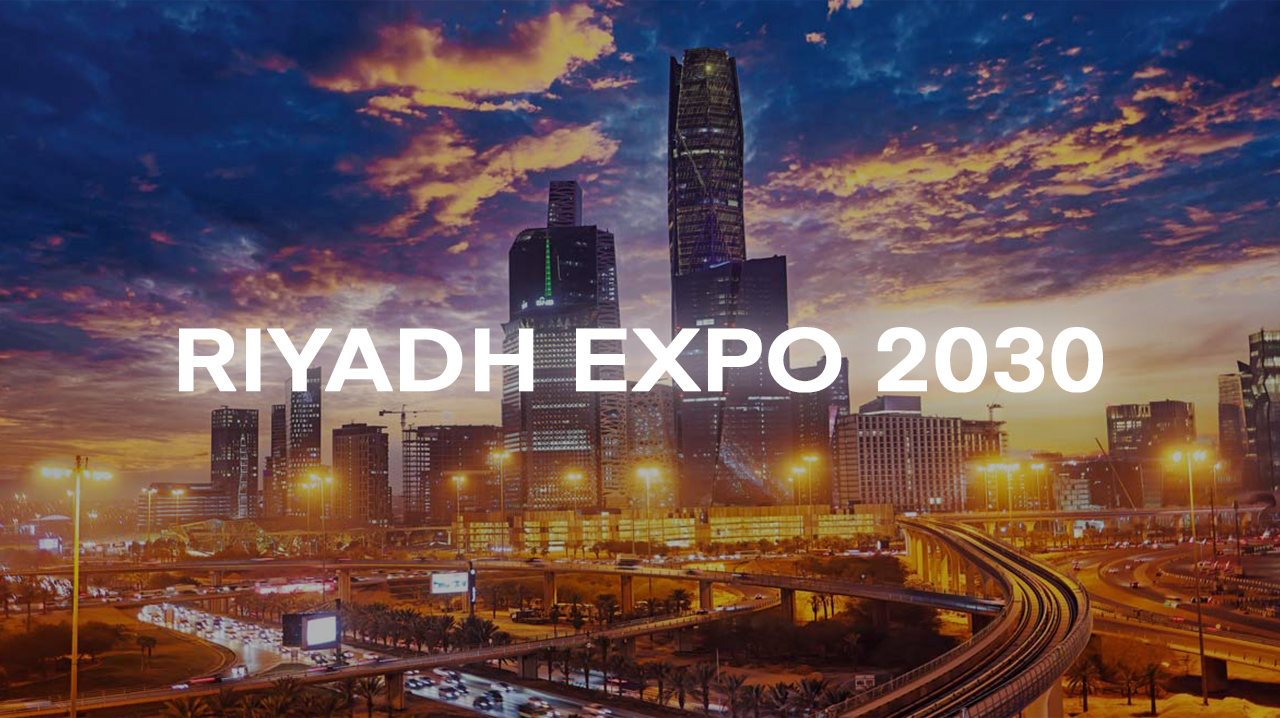
The issue of innovation in Saudi Arabia has become one of the most debated in economic and technological spheres in the world. With massive oil reserves, the Kingdom has now been in the headlines due to an entirely different reason, that is, its transformation into an epicenter of creativity, technology as well as modern entrepreneurship. The Saudi Vision 2030 innovation strategy, which strives to diversify the country, make it less oil-dependent, and provide a dynamic ecosystem of knowledge, research, and digital development is the driving force of this gigantic shift. Futuristic cities and development of high-tech industries are just some of the signs that Saudi Arabia is going on a steep path of becoming an innovation and technology leader in the world.
The list presented below has seven significant reasons why Saudi Arabia is becoming the new global innovation hub and how the digital transformation of KSA is opening the path to a smarter and sustainable Saudi future economy.
1 – Saudi Innovation Vision 2030: A Program of Transformation
The Saudi visionary plan of Saudi Vision 2030 has become the heart of innovation in Saudi Arabia, introduced by Crown Prince Mohammed bin Salman. It is a long-term plan that redefines the priorities of the country with the focus on knowledge-based industries, research, and other areas that are based on technologies. The Saudi vision 2030 innovation encourages investment in education, renewable energy, healthcare, artificial intelligence, and digital infrastructure, which are essential in sustainable development.
Through stimulating start ups, research, and global partnerships, Saudi Vision 2030 innovation has facilitated local and international investors to join in the growth story of the Kingdom. Such projects as NEOM, The Line, and Oxagon are the examples of futuristic development of technology growth in Saudi Arabia and transformation of the cities and industries. Those mega-projects are not only created as business centers but serve as green innovation and creativity and smart technologies laboratories.
This radical change makes certain that digital transformation of KSA is a source of long-term prosperity and global competitiveness and that it establishes an ecosystem where innovation prevails.
2 – The NEOM and the Emergence of Smart Cities
NEOM is one of the brightest cases of innovation in Saudi Arabia: this is a mega-city with a cost of 500 billion, which reflects the vision of the future of this country. NEOM is not merely a real estate project, it is a representation of how the Saudi Arabia development of technology is redefining the urban lifestyle. The city will be built on the principles of fully relying on renewable energy, combining the latest technologies, including artificial intelligence, robotics, self-driving transport.
The Line, a car and emission-free linear smart city is one of the sub-projects of NEOM, indicating the extent of digital transformation in KSA. Such projects are expected to establish sustainable living conditions, effective transportation, and smart-based communities with data and smart governance.
As NEOM keeps on getting international talent and investment, it makes Saudi Arabia a champion of futuristic city development. These developments are a direct contribution to the economy of the future of Saudi Arabia, lessening the reliance on the old sectors and creating new pillars of development on the basis of sustainability and technology.
3 – Increasing Expenditure on Research and Development (R&D)
One of the pillars of innovation in Saudi Arabia is the increasing interest in research and development. The Kingdom has vastly expanded its expenditure in the field of R&D in universities, government institutions, and business ventures. The ministry of education in Saudi Arabia has collaborated with international organizations in encouraging research in artificial intelligence, nanotechnology, and biotechnology- which are essential in development of technology in Saudi Arabia.
Such programs as the King Abdulaziz City of Science and Technology (KACST) and the Saudi Data and Artificial Intelligence Authority (SDAIA) are significant to foster scientific talent and promote applied research. Devoting attention to finding innovative answers to the difficulties faced by the country on the national level, including water shortage, renewable energy sources, and healthcare, Saudi Vision 2030 innovation will make sure that Saudi scientists and entrepreneurs play a crucial role in the further economy of the country.
In addition, the development of technology parks and innovation centers throughout Riyadh, Jeddah, and Dhahran is an expression of the thoroughness of the Kingdom in making sure that creativity and invention is encouraged. This facilitates the convergence of academia, business and government towards a single objective, which is to facilitate digital transformation of KSA using knowledge and innovation.
4 – Digital Transformation at KSA: Empowering All Sectors
One of the most remarkable success stories about the digital transformation in the Middle East is the KSA. Saudi Arabia is a fast-digitizing country where the governmental services, banking, and healthcare infrastructure have established precedent and have been emulated by other developing countries. The digital platforms of the Saudi government, including Absher, Tawakkalna, and the Digital Government Authority, present the idea of how the technological advancement in Saudi Arabia positively impacts the development of the country by improves the number of people served by the government, enhances efficiency, and empowers citizens.
This high-speed digitalisation in KSA has also motivated the individual businesses to become creative. E-commerce, fintech, logistics, and telecommunications are thriving as the Kingdom is investing in 5G networks, data centers, and cybersecurity systems. The goal is obvious to turn innovation in Saudi Arabia not only into a government project but also national mentality embraced by all industries.
The trend of the data-driven economy is making the Saudi future economy stronger and resilient. Saudi Arabia is making itself one of the world leaders in digital transformation and innovation with smart cities, smart infrastructure, and smart industries.
5 – Prosperous Startup Culture and Business Development
The second driver of innovation in Saudi Arabia is the fast development of the startup ecosystem. Riyadh and Jeddah have become the centers of young entrepreneurs in the recent years, who are redefining the industries with novel ideas and digital solutions. Startups have been able to get funding, mentorship, and network opportunities because of the efforts of the government through programs such as Monsha’at (the General Authority of Small and Medium Enterprises) and the Misk Foundation.
The growth of technology in Saudi Arabia is growing at a pace never experienced before with an increasing number of venture capital firms and angel investors entering the Saudi market. Fintech startups, renewable energy, logistics, healthtech, and artificial intelligence are spurring the digital transformation of KSA, generating employment, inviting foreign investors, and diversifying the economy.
Saudi Vision 2030 focuses on young and female business owners and provides a chance to be creative and participate in the Saudi future economy. It is not just developing local innovation by investing in homegrown talent Saudi Arabia is drawing the attention of global firms to invest in its emerging tech ecosystem.
6 – Education and Future Talent Development
It is impossible to make any transformation long-term without an educated and skilled labor force. Because of this understanding, the Saudi Vision 2030 innovation has focused on reforming education and developing talents to equip the citizens with the future of work. Universities in the Kingdom are reformulating their curricula to emphasize on science, technology, engineering and mathematics (STEM) fields, entrepreneurship and digital literacy.
Programs such as the Human Capability Development Program (HCDP) and scholarship schemes of Saudi students to pursue their studies in other countries are contributing to reduction of the skills gap and establishing a bridge between global knowledge and bringing the same knowledge back home. Combining contemporary education with innovation laboratories and research facilities, the technological advancement in Saudi Arabia remains advantageous by having the continuous flow of well-trained specialists that are eager to accept the challenges of the world.
The digital shift in KSA has gained momentum as a greater number of Saudis go digital and tech-savvy. This human capital priorities make sure that the future economy of Saudi is developed through creativity, innovation, and life-long learning, the real elements of sustainable innovation hub.
7 – International Collaboration and Global Partnerships
The process of transformation to become a global hub of innovation is not occurring in a vacuum in Saudi Arabia. The Kingdom is actively involved in cooperation with the international community, educational institutions, and companies operating in the field of technologies to speed up development. The country is also promoting the development of technology in Saudi Arabia at the global level through strategic alliances with major companies like Google, IBM, and Huawei.
Through such partnerships, global expertise is introduced in the local ecosystem, which encourages the transfer of knowledge, technological advancement, and economic development. The fact that Saudi Arabia is a member of international organizations like the G20, and is the prime mover in AI ethics also points to the fact that the country is determined to create the global discourse on innovation and technology.
Through international expos and international summits, Saudi Arabia is presenting its ability to emerge as both a regional and world leader. These initiatives enhance innovation within Saudi Arabia and make the country a crossing point between the Eastern and Western countries, where the ideas, cultures and technologies will merge to create a smarter and more interconnected world.
Consequently, the Saudi Vision 2030 innovation is not only changing the inner mechanisms of the country but also making the Kingdom an essential participant of the global innovation network. The collaboration between the local talent and international skills is forming a strong base of the Saudi future economy.
Conclusion: Future of Innovation in Saudi Arabia
The Saudi Arabian change to the innovation-driven society rather than being an oil-based economy is a revolution in itself. All elements of the national development, digital transformation in KSA to technology development in Saudi Arabia, are an indication of an evident determination to modernize, sustain, and be competitive in the worldwide arena.
This process is still being driven by the Saudi Vision 2030 innovation plan which challenges entrepreneurs, researchers, and policymakers to be creative in their thinking. The Saudi future economy will be one of the most dynamic in the world, as smart cities such as NEOM, strong startup environment, and a generation involved in technology are ready to spearhead it.
The pace of innovation in Saudi Arabia presents a new standard that other countries intending to establish diversified economies that are technologically oriented are striving to develop. The experience of the Kingdom demonstrates that a vision, teamwork, and persistence can help a nation to change its fate and bring the world to smarter and more sustainable future.