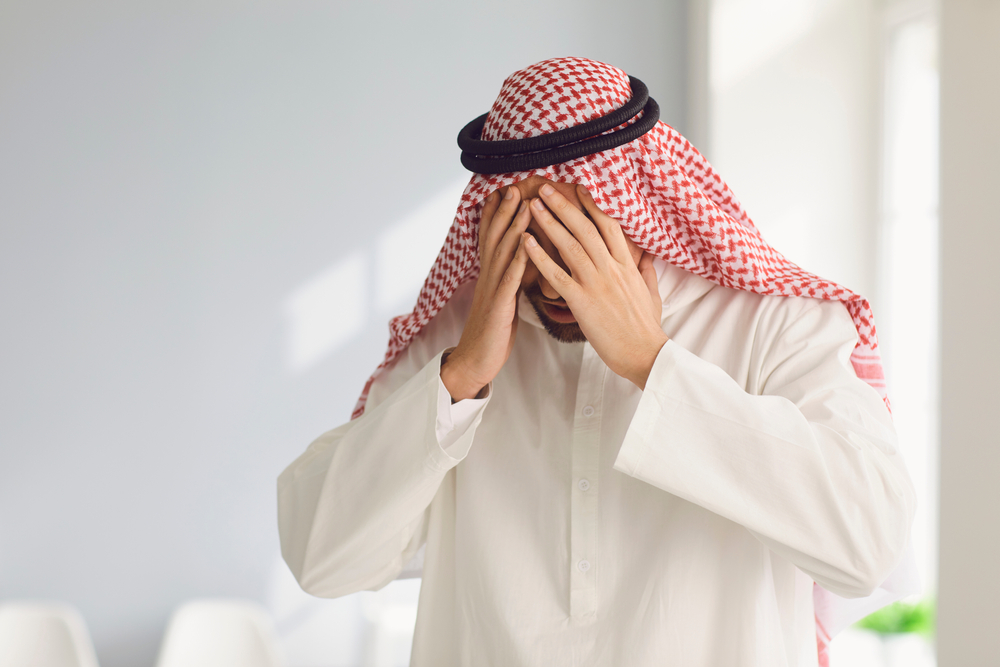
Saudi Arabia is rapidly evolving. Along with new opportunities, new career paths, business reforms, urban developments, new digital lifestyles and rising social expectations, which have also placed pressure on the individual, family, students and employees. Stress in Saudi Arabia is not just a personal problem, it is related to work, finances, education, family life, technology and national transformation speed. Modernization of the country, through the Vision 2030, calls for practical ways to learn how to handle stress and healthy coping skills for the people.
Understanding stress is a natural part of life but it will have a negative impact on sleep, productivity, relationships and wellbeing if it is not properly managed. As individuals are more vocal about mental health pressure and emotional wellness, the need for mental health assistance is also featuring a great deal more significant.
Labor Stress And Overtime
Work pressure is one of the common causes of stress in Saudi Arabia. A lot of workers are employed in booming sectors, namely financial and insurance, human health and social activities, wholesale and retail trade, construction, transport and material handling, education, and ICT (information and communication technology) and human social work. Lost time, pressures of targets, deadlines, and customer expectations can have an impact every day. Among employees in Saudi Arabia, work-related stress could escalate also when workers perceive that they have few or no ways of controlling schedules, and that decision makers within the business are not communicating clearly.
Poor workplace mental health is also associated with reduced productivity levels and has been a focal point for many international health organizations, making it a company concern and a personal one. Role clarity, a realistic workload and access to mental health support are all actions that can help reduce stress for employers.
Financial Responsibilities And Cost Of-Living Concerns
Pressure on one’s finances is also a significant source of stress in Saudi Arabia. Despite being a relatively good place to do business, there are pre-occupations related to housing costs, school fees, transport, household responsibilities, and lifestyle costs for many households in the Kingdom. These ‘young adults’ may be under pressure to establish careers, to get married or to save for property purchases. These financial expectations are significant stressors because they affect our lives from day-to-day and for the long haul.
By practicing real-world budgeting, understanding debt, and saving for emergencies and educating yourself about finance, you can minimize uncertainty. While it is a great idea to take some breaks, go for walks and engage in breathing exercises, financial stress also needs practical planning and when/if necessary professional advice.
A Digital Lifestyle with Social Media and Constant Comparison
Ironically, a rapidly changing lifestyle is a further factor contributing to stress in Saudi Arabia. Time is spent on the internet, social media, struggles with comparing lifestyles and having constant digital communication. The Kingdom also has some of the highest mobile internet penetration rates and smartphones have become an integral part of people’s lives when it comes to shopping, banking, work, education, government services, and entertainment. This provides convenience as well as pressure via notifications, online comparison and the false impression of always being available.
These digital habits are now known to be stressors, particularly for youth. Saudi Arabia should implement digital balance strategies, including limiting screen time before bed, silencing unnecessary gadget notifications, and taking frequent breaks from digital devices.
Family Expectations, Social Obligations And School Pressure
Other factors that are sources of stress include family and social expectations. Family relationships are important and valuable in Saudi cultural norms, but they can also involve responsibilities. People can feel the pressure to offer financial support, go to social events, adhere to family reputations or fulfill family educational, employment and marriage mandates. Another challenge on the rise is being under pressure in the academic field, particularly for students and young professionals. Students may feel stressed with facing examinations, for getting admission in university, scholarship, English language requirements and getting good employment. High individual achievement and social responsibility expectations are consequently common characteristics of stress in Saudi Arabia.
Understanding and Identifying the Warning Signs
The first step in coping effectively is solving the problem by recognizing the signs. Stress can manifest itself in headache, stomach upset, muscle tension, irritability, lack of energy, decreased motivation, difficulty sleeping and trouble concentrating. Others may isolate themselves from the family, watch excessive TV, use excessive caffeine or spend more time on the Internet. If these symptoms persist for prolonged periods, weeks, for instance, mental health help might be required. Accessing mental health care does not imply weakness, it is something smart, which can prevent health, families and work. In Saudi Arabia, discussions about mental wellbeing are becoming more prevalent both within organizations and clinics, thereby reducing the stigma surrounding mental health.
There are plenty of stress-relieving techniques that you can practice which will make a great difference. Directed breathing, brisk walking, stretching, bedtime routines and limiting caffeine intake will help soothe the nervous system. Any amount of movement during the day can make people feel better and more focused, even 10 minutes! For many, prayer, reflection, journaling, quiet time can be used to support emotional balance, as well. One more useful tip is time management. Priorities can be more manageable if they are written down, large tasks can be broken down into smaller ones, and realistic deadlines and planning for rest and downtime can be helpful. These stress relief methods are easy, inexpensive and can fit the fast pace life that Saudi’s live.
Generating Boundaries & Reaching out for Support
Social supports are also essential. Having conversations with family, friends, colleagues or Counsellors helps to relieve those emotions. Often people don’t need someone to fix each and every difficulty, they have to feel heard and understood. Boundaries are also needed. It is important for people to guard their time for rest, minimize unwanted digital distractions and establish work/life balance routines. This might mean putting aside a specific time for your emails, trying to avoid answering the phone when it’s not work hours and scheduling family time. Use of mental health support early rather than late, before stress and strain levels are high.
Conclusion
Work pressure, financial responsibilities, digital habits, family expectations, academic competition and rapid social change are the primary sources of stress in Saudi Arabia. Coping skills need to be both individual behaviors and supportive environments. Stress management should be encouraged in Saudi Arabia through a combination of awareness, improved work practices, mental health care services, realistic schedules and practical stress reduction strategies. Understanding the root causes of stress and taking early action can help manage stress in healthy and productive ways in Saudi Arabia.