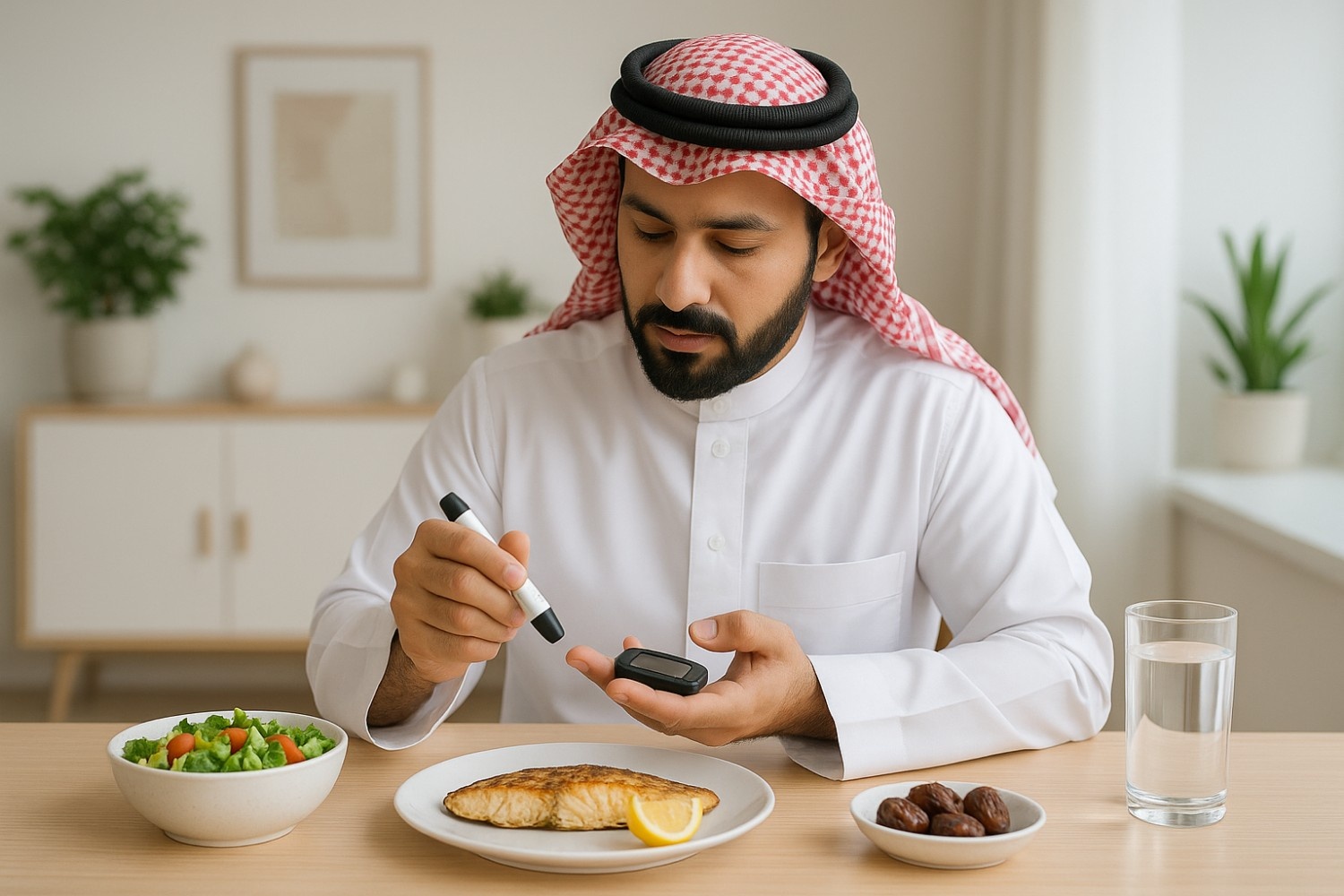
Diabetes is a critical public health problem in Saudi Arabia. At the time of writing, recent estimates in the Kingdom by the International Diabetes Federation indicate that the adult population (aged 20 to 79 years) included approximately 5.3 million people with diabetes (23.1%).By 2050, it is estimated that it will climb to approximately 9.5 million. These statistics mean that diabetes care is a national concern and everyone’s daily responsibility! Diabetes is caused by a lack of insulin or difficulty using insulin properly, which causes blood glucose to stay too high.
Type 2 is the most prevalent form and is significantly associated with lifestyle, weight, family history, physical inactivity and age. Healthy lifestyles can be challenging in Saudi Arabia thanks to its urban lifestyle, longer commute, sitting at a desk and indulging in high calorie meals, especially during the hot summer months. But, with appropriate diabetes management, it is possible to minimize complications and live an active life.
Daily Monitoring
Regular monitoring is the first step. Patients should be familiar with their blood sugar goals, their goal HbA1c, blood pressure and cholesterol. HbA1c provides an insight into blood glucose levels for the past approximately 3 months and is frequently used to monitor progress made. Patients are able to better understand the effect of food, exercise, stress, sleep and medication on their body through use of home glucose meters and a continuous glucose monitor. Digital tools, appointment reminder systems and ‘connected’ diabetes care are rapidly becoming needed components of effective treatment for the condition in Saudi Arabia but, as with all technology, using them requires the patient to be enlightened by and respond to the numbers.
Lifestyle Choices
Eating is a key part of diabetes treatment. Healthy plate should consist of vegetables, lean protein and whole grains plus controlled portions of carbohydrates. However, the traditional meals can still be had but portion size is important. Large quantities of rice, bread, dates, sweets and sugary beverages are quick Blood glucose Providers. Switching to grilled varieties of food rather than fried, serving water instead of sweetened beverages and adding salad or veggies to meals can help balance your diet each day. A very practical health tip is to not skip meals or to bite back a lot because you may end up with glucose spikes. Another important habit is to exercise.
Avoid sitting for long periods and encourage other adults to move with activities like walking, cycling, swimming, gym classes, home exercises (following doctor’s orders).Just 30 minutes of brisk walking every day can enhance insulin sensitivity, weight control and heart health. If it’s hot outside, it may be better to exercise in the early morning or late evening in the Saudi climate. Malls and gyms and indoor walking sites can help in hot months, too. Those who have diabetes should have realistic activity plans as part of good diabetes care to allow for work, family and weather conditions. All medicines should be taken as directed and diabetes care is better achieved if patients can appreciate the reasons for taking each medicine. People with type 2 diabetes are able to keep it under control with lifestyle changes and some tablet medications, but others have to use injected medications or insulin. Discontinuing medicines when they are seeing improvement in the glucose meter reading can be dangerous unless a health care provider says to do so. Transcribe a checklist of side effects, eat or sickness schedule, travel or fast schedule or plans for the patient to request. Personalized planning is crucial during Ramadan as you will be altering your eating, sleeping and medication times.
Pre-Ramadan consultation is an essential part of safe diabetes treatment in Saudi Arabia, for those taking insulin, sulfonylureas or other diabetes medication. Controlling weight can significantly enhance results, particularly in those with type 2 diabetes. Even small weight loss can help reduce blood sugar, blood pressure and a person’s cholesterol. It isn’t about crash dieting, it’s about lifestyle changes. The initial steps can include cutting sugar-sweetened foods and beverages, avoiding eating late at night and going for a stroll following meals. There’s a need for family support as food habits are passed down at home. Following healthier cooking techniques can be helpful not just for people with diabetes. Diabetes prevention of complications is a large part of diabetes management. As time goes on, the high glucose can harm the eyes, kidneys, nerves, heart and blood vessels.
Eye checks, checking the kidneys, foot checks and dental care are all important, and these should be done on an annual basis. Special attention should be given to foot care, since nerve damage could cause reduced pain and lead to a significant injury. Individuals should check their feet every day and use comfortable shoes, as well as get medical attention if they have any cuts, swelling, redness or infection in their feet. This simple health tips can make sure that there are no unnecessary hospital visits.
Family Support
There is also a focus on mental wellbeing. Having diabetes can be a stressful experience, as constantly considering meals, testing, medication and appointments are everyday concerns. Sleep, appetite/glucose can be influenced by stress. With family, doctor, dietitian and educators’ support, diabetes care can be made easier. Patients should never feel embarrassed to ask questions, or even talk about problems. Confusion is not a good plan, and perfect is not realistic.
Saudi Arabia is making substantial investments in the transformation of healthcare and the adoption of digital health services. This leads to opportunities for early diagnostics, follow-up and personal diabetes care in the Kingdom of Saudi Arabia. Ultimately, though, the best outcomes are those that engage both the medical service and patient behavior. Tests and medications can be obtained at a clinic, but long term control is determined by a person’s day-to-day choices at home, work, restaurants and social functions.
Daily activities can help control the condition. Make medications readily available and prepare nutritious food, have water on hand, check glucose as directed and have sugar or another emergency food if there is the chance of having low blood sugar. Organize restaurant meals with grilled proteins and vegetables such as salads and smaller servings of rice or breads. Phone reminder – tablet, appointments and activity. These are easily accessible, but effective health tips to make it easier to rely on “willpower” alone. Families need to become familiar with the signs of high blood sugar and low blood sugar. Symptoms of low glucose include shakiness, sweating, hunger, confusion or dizziness; symptoms of very high glucose include excessive thirst, urination, blurred vision and fatigue. Part of safe diabetes treatment in Saudi Arabia, especially for children is knowing when to contact urgent medical help, such as in an emergency. You can achieve a healthy life. The best treatment uses a combination of medical monitoring, healthy diet, exercise, medications, and family and lifestyle changes. It’s not a choice any more, it’s a habit every day that guards the future with diabetes. In Saudi Arabia, individuals can gain better control over their health, prevent complications and enjoy a more vibrant and confident life through evidence-based health tips and maintaining a connection with healthcare providers.