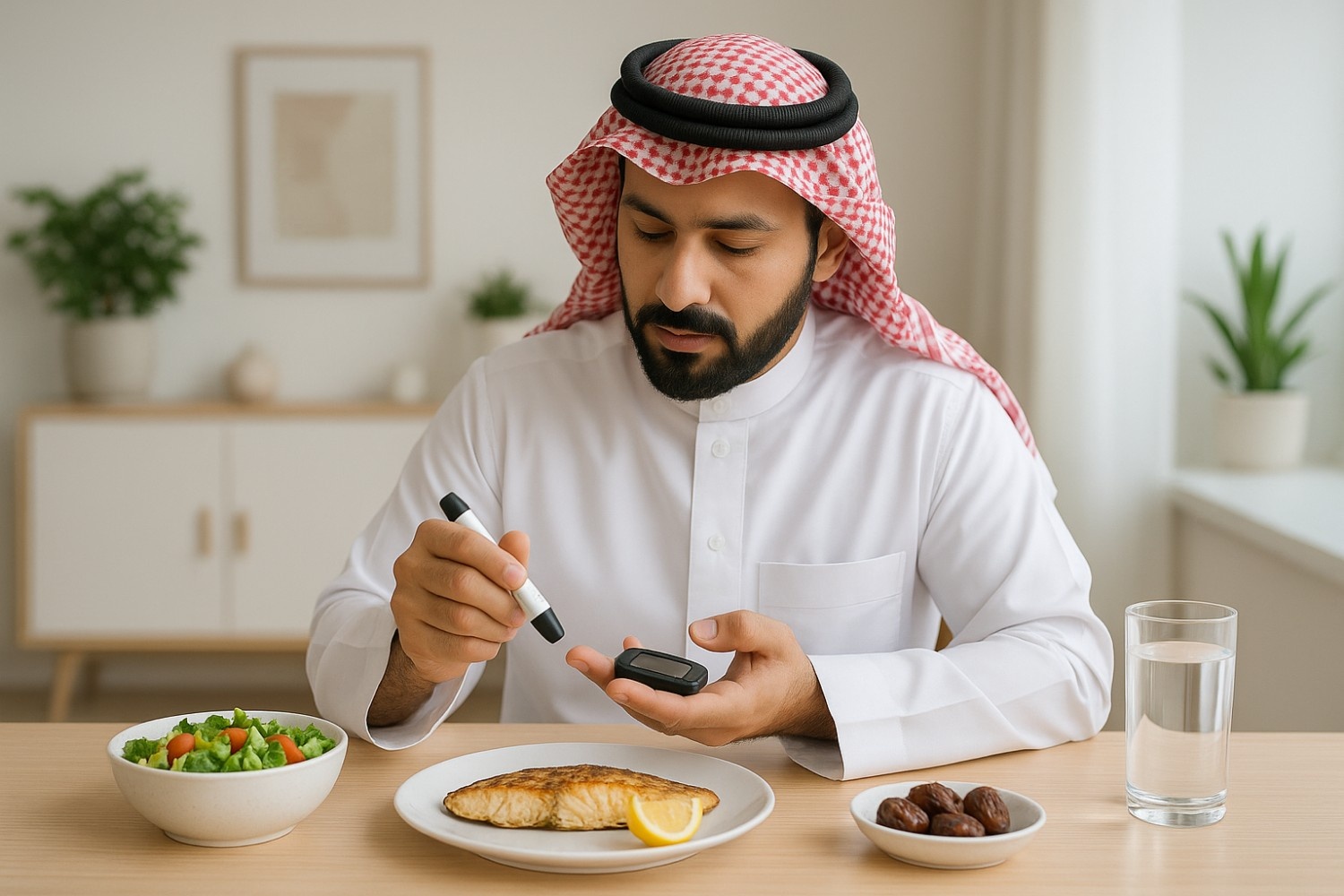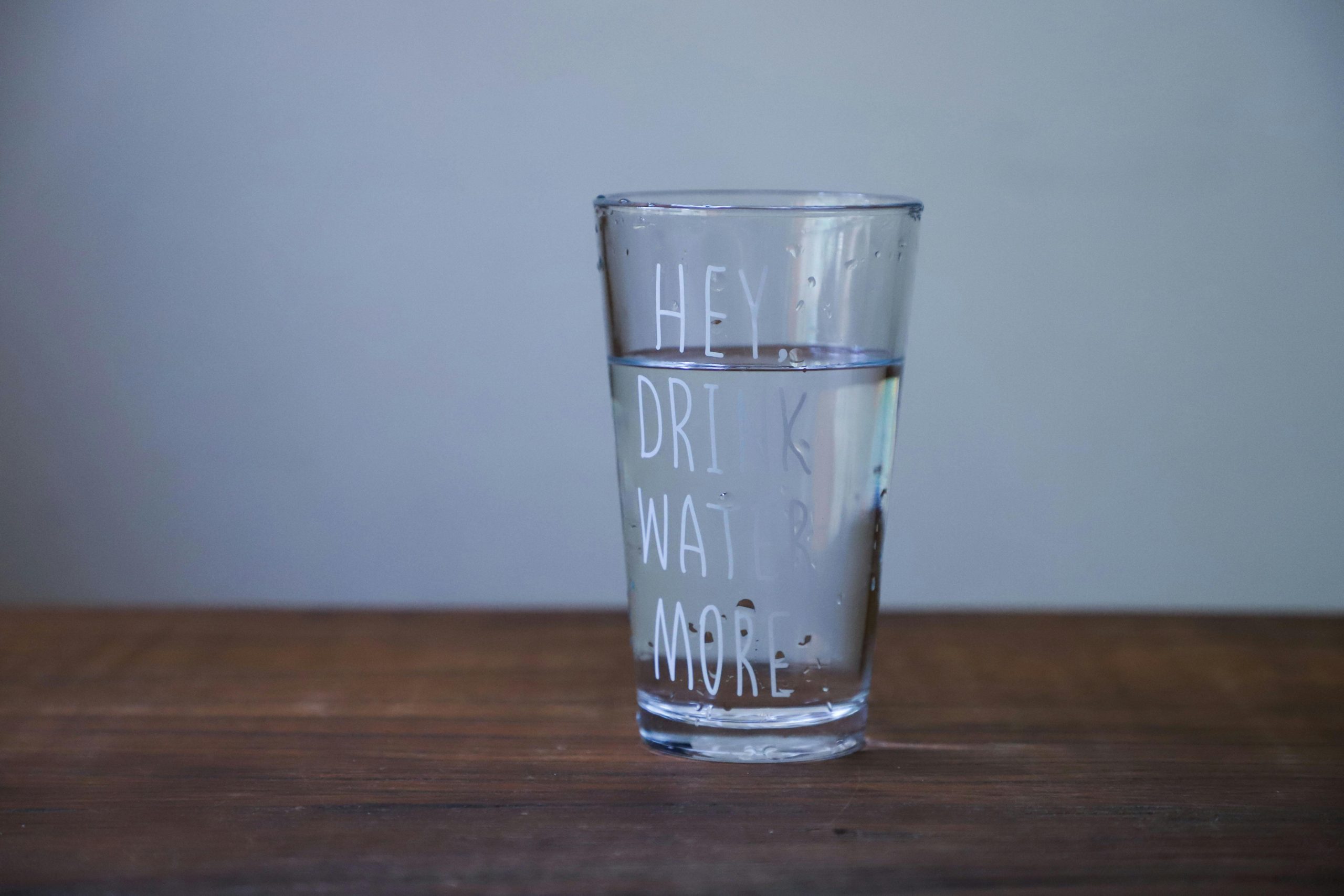
Dehydration is not just a summer issue in Saudi Arabia, but is a daily health issue. This period of heat, high sun exposure and low rainfall is experienced in much of the Kingdom with many locations receiving less than 150 mm of rainfall per year in a typical year. Daily inland summer temperatures regularly exceed 40°C and heatwaves can further increase temperatures. The body also loses water by sweating, breathing and normal daily activity and sometimes before the individual feels obviously thirsty. Being able to take care of dehydration in Saudi Arabia is critical to locals, employees, students, families and tourists. It’s not just the heat, it’s the dryness. Humans benefit from air-conditioned homes, offices, cars and shopping malls, but these provide a lot of comfort and can decrease fluid deficient sensitivity. Although people may spend hours indoors and think they are safe from dehydration, they could be underd hydrated. That’s why it’s important to prioritize everyday habits when it comes to practical hydration tips in Saudi Arabia over emergency responses. The first tip of any good routine is to drink water from the onset, when you first wake up, keep a bottle of water nearby throughout the workday and drink water before you feel tired, dizzy and headachy.
Daily Routine
It is helpful to spread water throughout the day. Don’t drink a lot at night, drink little throughout the day. Clear or pale yellow urine is often a straightforward indicator that they are more hydrated, while dark urine, dry lips, fatigue and decreased concentration could indicate the body needs fluids to function properly. Those who are outdoors, exercise, walk to work or go to markets and open areas of attractions require extra care. Perhaps the most critical piece of dry climate health advice is to drink more water before you head outside, since “catching up” is more difficult after you start to get dehydrated. Foods are a source of hydration, too. Foods like fresh fruits and vegetables, soups, laban, yoghurt and watery foods (cucumber, watermelon, oranges and lettuce) can all provide the fluids daily.
For the month of Ramadan, hydration is crucial with the restriction of drinking water to a window of time. Drinking water between iftar and suhoor, not eating very salty food and not having a lot of caffeine helps to balance the body. These tips for hydration in Saudi Arabia are particularly important for families who tend to cook their meals late into the night and may end up consuming more fried, salty or sugary foods, because these foods can make them more thirsty. Caffeine and sweetened beverages can be consumed but should be used in moderation. Coffee, tea, soft and energy drinks are usually routinely consumed, such as in social or work environments, but should not be used in place of water. Sugary drinks provide calories and will not reduce the need for constant hydration, while caffeine may increase the need to urinate in some individuals. The primary beverage must still be water. Remember also that there may be a lag time between feeling thirsty and drinking in Saudi Arabia, especially for older persons and children and set aside frequent reminders.
Outdoor Safety
Timing outdoors is another protective habit. General advice for physical activity in hot conditions is to avoid being physically active during the peak hours of the day, and to opt for exercise in the early morning or late evening whenever possible. Employees, drivers, deliverers, security personnel and construction workers are exposed to a higher risk of heat related illnesses as they may be exposed to heat for extended periods of time. Shaded rest areas, cool drinking water and scheduled breaks are ways an employer can support safety. One of the top health tips for the dry climate is to schedule outdoor tasks for a time when they are not the most difficult (such as midday).What you wear does make a difference. Wearing lightweight clothes and clothing that is loose and airy can help to alleviate heat stress; hats, umbrellas and sunglasses keep the body from being directly exposed to the sun.
Sunscreen will help skin; water intake is important. When driving from one city to another, extra water should be taken in the vehicle, particularly when taking long trips and between sections of service. Never park a child in a car—cabin temps can climb quickly. Special attention to exercise. Playing football, cycling, running, and gym exercises or exercising can result in increases in water loss indoors. A person should drink before activity, sip during longer activity and replace fluids afterwards. In high sweat output sessions, electrolyte solutions or electrolyte drinks may be beneficial outdoors or during longer sessions. In Saudi Arabia, there are basic hydration rules, such as consuming water slowly instead of taking a dump all at once and utilizing reusable water bottles to monitor consumption.
Warning Signs
Some groups are at higher risks. Children might be busy playing and not have time to request water. Elderly can have a decreased thirst mechanism. Advice may be tailored to an individual’s specific needs by a healthcare professional for pregnant women, as well as breastfeeding mamas and those with kidney disease, heart disease, diabetes or high blood pressure. Certain medications may be seen to influence certain minerals in the body also. General climate tips to healthy living should be carefully adapted for these groups. Warning signs are not to be ignored. Symptoms of heat exhaustion include heavy sweating, weakness, nausea, headache, dizziness, and muscle cramps and clammy, cool skin. First aid measures involve transporting to an area out of the heat, relaxing, not wearing tight-fitting clothing, applying cool compresses and offering cool water if the victim is conscious. Medical assistance must be obtained if symptoms become more severe, vomiting occurs, confusion arises or symptoms do not improve. Heatstroke is an emergency and can be life-threatening.
The best way to ensure long-term hydration is to establish a hydration routine. Don’t forget to drink water, set up reminders on your phone, pack a reusable cup, eat watery food and avoid excessive amounts of caffeine and plan outdoor activities better. It isn’t about putting everything back in that you can, it’s about drinking regularly and rationally. Remember, in Saudi Arabia, sometimes water should be treated with the same importance we give to sleep, food and sun protection, and hydrated people are happy people. However, by forming good routines and making careful selections, it is possible to stay well hydrated and maintain energy, concentration and overall health in the Kingdom’s challenging weather conditions. When water stations, shaded waiting areas and summer reminders make it easy, it is the best way to prevent in Saudi Arabia at the community level. The best health tips for dry climate are the ones that do not overwhelm people.